
When Jaw Clenching Turns Into a Dental Crisis
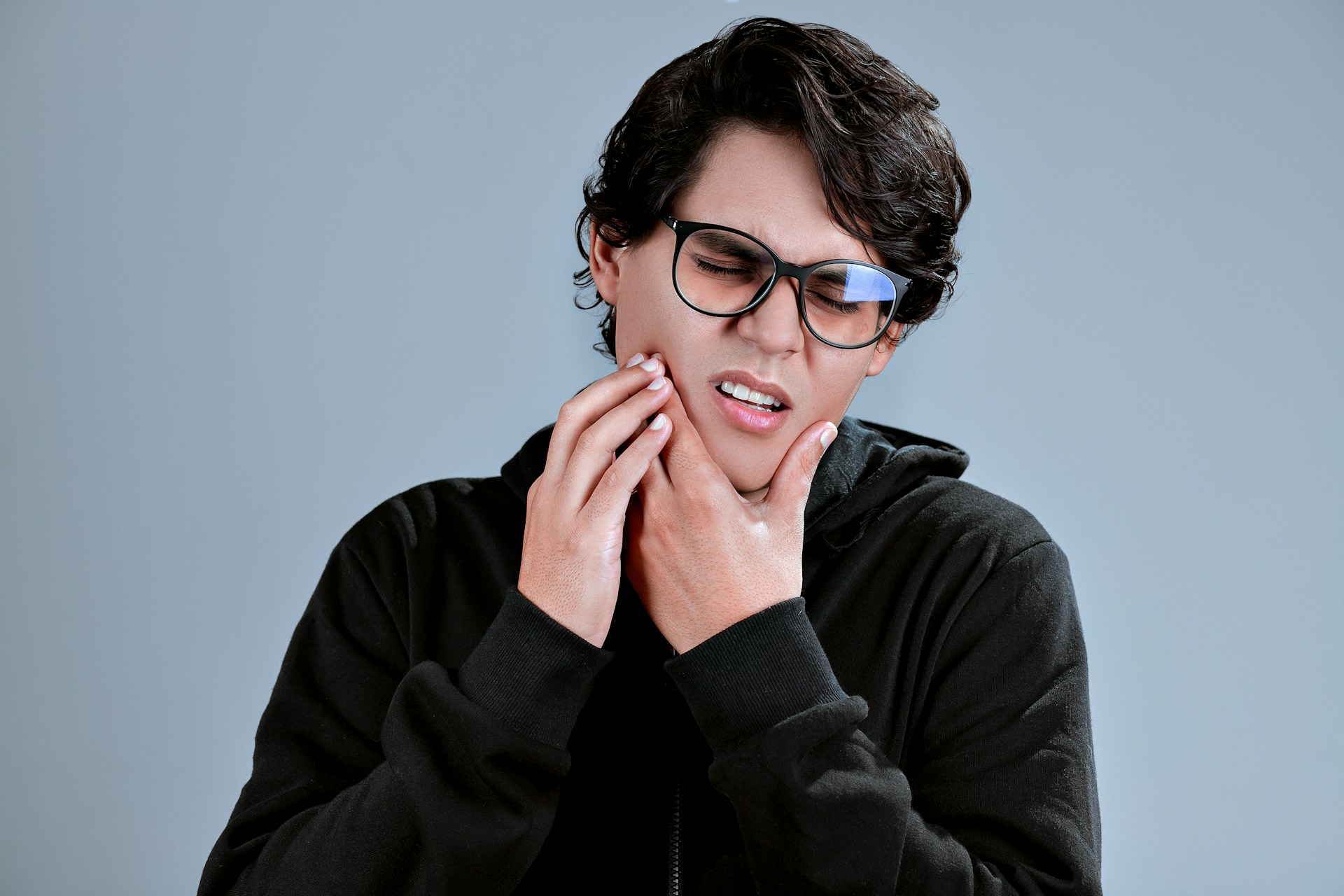
Unconsciously clenching your jaw might seem harmless, especially when you are pushing through deadlines or stuck in traffic. But constant pressure on your teeth and jaw can slowly wear things down, then suddenly turn into a cracked tooth, severe pain, or a broken filling. What started as stress in your shoulders can quickly become an urgent trip to the dentist.
Many Brisbane CBD professionals push through long days, clenching without even realising it. Then one day a simple lunch, a seed in a salad, or a piece of bread sets off sharp pain, or a tooth chips out of nowhere. That is when hidden damage from clenching shows itself as a dental emergency. As a prevention-focused clinic, we look at the whole picture with BioSmile oral health assessments, linking your mouth health to your overall wellbeing so we can spot clenching early and help protect your smile before things get serious.
In this article, we will walk through why unconsciously clenching your jaw happens, the warning signs to watch for, what actually counts as a dental emergency, and how to reduce the risk of sudden damage in the future.
Why You Might Be Unconsciously Clenching Your Jaw
Jaw clenching is often a body response to stress. You may not notice it happening, especially during busy periods like the end-of-financial-year period, spring project pushes, or the lead-up to the summer break. Your brain is focused on getting through the day, but your jaw muscles are on high alert.
Common triggers include:
- Ongoing work stress and tight deadlines
- Long hours on devices, hunching over a laptop or phone
- Tension while commuting or rushing between meetings
- Seasonal allergies or hay fever that affect breathing and jaw position
Night-time bruxism, which is clenching or grinding during sleep, is different from daytime clenching. With daytime clenching, you sometimes catch yourself pressing your teeth together or tightening your jaw. With night-time bruxism, there is no awareness at all. Many people only find out because their partner hears grinding noises, or their dentist sees wear on the teeth.
Other factors that can make clenching more likely include:
- High caffeine intake, especially later in the day
- Poor quality sleep or irregular sleep patterns
- Ongoing anxiety or worry
- A bite that does not feel quite right
- Recent dental work that has changed how your teeth meet
Through a BioSmile oral health assessment, we look beyond just the teeth. Stress hormones, body posture, and breathing habits can all affect muscle tension and jaw position. When your body is stuck in a stress pattern, your jaw muscles may stay slightly switched on all the time, which leads to unconscious clenching.
Silent Damage: Early Warning Signs You Should Not Ignore
Clenching damage often starts quietly. There might be no dramatic pain at first, just small changes that are easy to brush off. Paying attention to these early clues can help you act before things reach crisis point.
Subtle symptoms can include:
- Morning jaw stiffness or a feeling of tiredness in the cheeks
- Headaches around the temples, especially after sleep
- Neck and shoulder tension that never seems to ease
- Clicking, popping, or a gritty feeling in the jaw joint
- Discomfort around the ears that feels like an earache
Your teeth and gums may also start to change. You might notice:
- Flattened or worn edges on your front teeth
- Tiny chips or hairline cracks
- Sensitivity to hot or cold drinks
- Gum recession that makes teeth look longer
- Indentations on the sides of your tongue or inside your cheeks
Clenching can make existing dental problems worse. A slightly worn filling, older crown, or dental implant can be put under extra strain. Over time, this pressure can turn a minor issue into a sudden break, sharp edge, or infection.
A simple self-check over a week can help:
- Notice your jaw at red lights or while reading emails; are your teeth touching?
- When your mouth is at rest, your lips should be together, but your teeth should be slightly apart
- Keep a small note of any pain, stiffness, or headaches to share with your dentist
The more detail you can give about these early signs, the easier it is for us to spot patterns and plan the right protection.
When Clenching Becomes a True Dental Emergency
Not every ache is an emergency, but some signs should never be ignored. With jaw clenching, a dental emergency usually means the clenching has already weakened something enough to break or inflame the nerve.
Urgent situations linked to clenching can include:
- A cracked or broken tooth where the inside of the tooth is exposed
- Sudden, severe toothache that keeps you awake or stops you eating
- A crown, veneer, or filling coming off or feeling very loose
- Jaw pain or locking that makes it hard to open or close your mouth
Trying to wait it out can cause real trouble. A crack in a tooth can let bacteria in, leading to infection and swelling. Pain can build over a weekend or public holiday, when it is harder to get help. The longer the tooth is left, the more complex the treatment can become.
If this happens, keep things calm and simple:
- Avoid chewing on the sore side or on hard or sticky foods
- Use a cool compress on the outside of the jaw to ease swelling
- Choose softer foods and room temperature drinks
- Take over-the-counter pain relief if you are able to, as directed on the packet
- Arrange urgent care with a Brisbane CBD dentist so the tooth and jaw can be checked
Spring and early summer often mean more social events, work functions, and travel plans. When your smile is part of photos, meetings, and family time, fast care for a cracked or painful tooth can make a big difference to how you feel and function.
Protecting Your Smile From Clenching Damage Long Term
The good news is that once clenching is picked up, there is a lot we can do to protect your teeth and jaw. Prevention is always easier than emergency treatment.
Personalised strategies might include:
- A custom-made night guard or splint to protect teeth while you sleep
- Fine-tuning your bite if certain teeth are taking too much force
- Tailored home-care plans based on your BioSmile assessment
Lifestyle and jaw habits also matter. Helpful steps often include:
- Setting posture reminders at work so your head is not jutting forward
- Taking regular movement breaks away from your desk
- Gentle jaw stretches, such as slowly opening and closing within a comfortable range
- Looking at caffeine and alcohol habits that may affect sleep and tension
- Building simple stress-reduction habits into your week, like short walks or breathing exercises
Regular dental visits let us keep track of:
- Early wear patterns on teeth
- Tiny fractures or rough edges before they turn into breaks
- Changes in your jaw joints and chewing muscles
- Whether your night guard or splint still fits and works well
By viewing your mouth as part of your whole body health, we can work together on a long-term plan that suits your lifestyle, workload, and stress levels.
Take Action Before Clenching Becomes Your Next Emergency
If you notice ongoing jaw tension, morning headaches, or new tooth sensitivity, it is worth checking in before the busy end-of-year period ramps up. Small steps now can prevent that sudden crack on a busy workday or right before a holiday.
A BioSmile oral health assessment at our Brisbane CBD clinic is designed to pick up clenching habits, hidden tooth damage, and early joint changes, then create a clear, personal plan to protect your smile and support your overall wellbeing.
Take The First Step Toward A More Relaxed, Comfortable Jaw
If you suspect you are unconsciously clenching your jaw, we can help you understand what is happening and map out a clear path to relief. At Bite Dental Studios, we carefully assess your bite, jaw joints and muscles so we can recommend treatment tailored to your situation. Our team focuses on long-term comfort and function, not just masking symptoms. To book an appointment or ask a question, simply contact us today.