
The Hidden Cost of Powering Through Your Workday
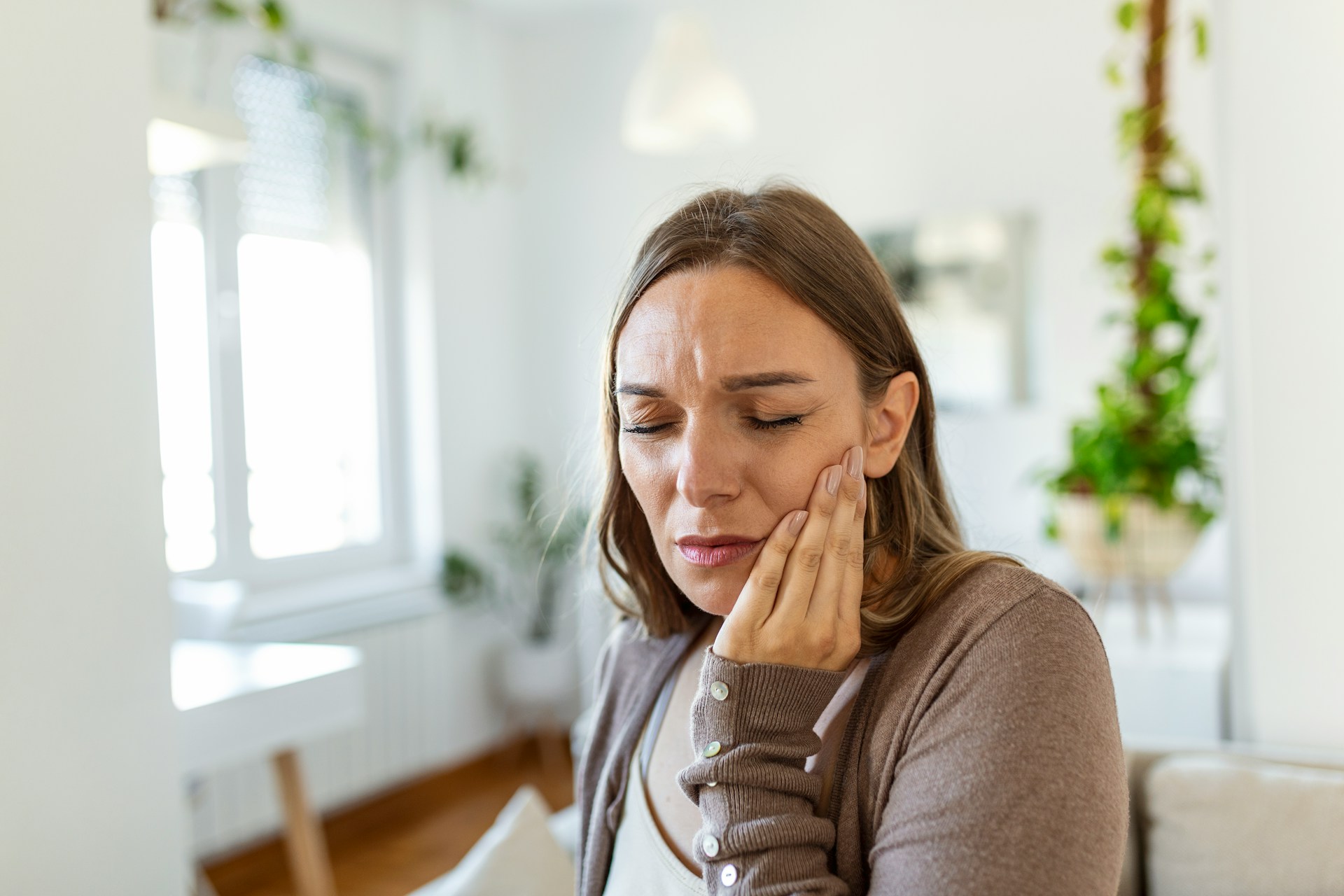
Unconsciously clenching your jaw at your desk can slowly wear down your teeth and your energy. Many Brisbane CBD professionals sit through back-to-back meetings and long email sessions with their jaw locked tight and teeth pressed together without even realising it. It can feel like part of concentrating, but your body pays for it later.
Silent clenching in front of a screen can be just as hard on your teeth as loud grinding at night. It can lead to worn tooth surfaces, headaches, neck pain, and a heavy, tight feeling in your jaw. The good news is that small ergonomic tweaks, quick stress resets during the day, and timely dental advice, including when to ask about a night guard, can take pressure off both your smile and your body.
How Desk Jaw Clenching Damages More Than Teeth
Jaw clenching and bruxism are habits where the teeth are pressed or rubbed together with more force than they are built for. Many people do this when they are concentrating, rushing to meet a deadline or feeling stressed, especially around busy times like end of financial year. Because it often happens on autopilot, you may only notice the results, not the habit itself.
On your teeth, ongoing clenching can lead to:
- Tiny cracks in the enamel
- Flattened or chipped edges on teeth
- Tooth sensitivity to hot, cold or pressure
- Extra strain on fillings, crowns or veneers
Over time, the jaw joints and muscles also start to complain. You might notice:
- Tightness or aching around your jaw or ears
- Clicking, popping or slight locking when you open wide
- Tension headaches, often around the temples
- Stiffness through the neck and shoulders
These symptoms do more than cause discomfort. They can drain your focus, make long meetings harder to sit through and leave you feeling worn out before the workday is even done.
Desk Ergonomics That Take Pressure Off Your Jaw
Posture and jaw tension are closely linked. When you hunch over a laptop, crane your neck toward the screen or hold your phone between your shoulder and ear, the muscles through your neck and jaw have to work harder. This can trigger or worsen clenching without you noticing.
A few simple ergonomic changes can help your body relax, even in a busy open-plan office or home setup:
- Set your screen so the top is around eye level
- Keep feet flat on the floor and knees bent roughly at a right angle
- Support your lower back with your chair or a small cushion
- Relax your shoulders, with elbows close to your body
- Use a headset or earphones instead of tucking your phone under your chin
During cooler winter months, we often hunch in on ourselves to keep warm, which can add to tension. A supportive chair, a warm layer on your back and a screen at the right height can make it easier to sit tall without strain.
You can also build in jaw-friendly habits right at your desk:
- Rest your tongue lightly against the roof of your mouth
- Let your teeth hover instead of touching when you are not eating
- Place a small sticky note on your screen that says something like “Unclench”
Each time you notice that reminder, check your jaw and gently relax it. Over time this helps your brain build a new default pattern.
Stress Reset Habits for Busy Brisbane Workdays
When your nervous system stays on high alert from deadlines, long commutes into the CBD and constant notifications, your muscles stay switched on too. Jaw clenching can become a physical outlet for that hidden stress, especially while you are focusing hard on a task.
You do not need an hour-long yoga class to help your jaw. Short reset habits between tasks can make a real difference:
- 60-second box breathing: breathe in for 4 counts, hold for 4, out for 4, hold for 4
- Slow shoulder rolls, both forwards and backwards
- Gentle jaw stretch: open a little, then move the jaw side to side in a pain-free range
- A quick 5-minute walk around the block or to grab a coffee
In winter, shorter daylight hours can make everything feel a bit heavier and tighter. If you can, combine movement and breathing with a few minutes near a window or outside. Natural light and a change of scenery help calm the nervous system, which often softens jaw tension as well.
Self-Check Routine to Catch Jaw Clenching Early
Catching the habit early is one of the best ways to protect your teeth. A simple self-check at midday and at the end of your workday can bring unconscious clenching into your awareness.
Pause for a moment and:
- Notice if your teeth are touching or pressed together
- Scan for tight spots in your temples, jaw, neck or shoulders
- Gently massage over your cheeks and at the angle of your jaw to feel for tender spots
Next, test your natural jaw rest position. This is the relaxed state we want to return to often:
- Lips together
- Teeth slightly apart, not touching
- Tongue resting lightly behind the upper front teeth
Each time you catch yourself clenching, move back to this rest position. At first you may need to reset many times a day, but it becomes easier with practice.
It can also help to track your patterns for a week. Jot down:
- Time of day when you notice clenching
- What you are working on
- Caffeine intake
- Stress level at the time
This simple log shows when you are most likely to be unconsciously clenching your jaw. It also gives your dentist useful information so they can tailor advice to your real work and lifestyle patterns.
When to Ask Your Dentist About a Night Guard
Sometimes, even with good desk habits, clenching and grinding continue, especially during sleep when you cannot control it. That is when a professionally made night guard can be helpful.
You should consider booking a dental check if you notice:
- Morning jaw soreness or stiffness
- Regular headaches, especially after sleep
- Chipped, flattened or worn teeth
- New or unexplained tooth sensitivity
- A partner mentioning grinding sounds at night
A custom night guard made by your dentist is designed to fit your teeth and bite, so it is more comfortable and more accurate than a generic chemist guard. It creates a protective layer between your teeth and can help reduce strain on your jaw joints while you sleep.
At Bite Dental Studios in Brisbane CBD, our BioSmile Check looks beyond just individual teeth. We assess tooth wear, jaw joints and muscles, along with your overall health and lifestyle. That helps us work out whether a night guard, small bite adjustments, muscle therapy or other treatment options are the best match for you.
Protect Your Smile with a Workday Reset Plan
Breaking the habit of silently clenching through your workday starts with a simple plan. Combine better desk ergonomics, quick stress resets and a daily self-check to give your teeth and jaw a chance to relax.
Choose one ergonomic change and one stress reset to start this week. Maybe it is raising your screen and adding a sticky note reminder to unclench, plus a 5-minute walk after your morning meeting. If you notice ongoing clenching, tooth wear, jaw pain or headaches, a BioSmile Check at Bite Dental Studios can help you understand what your jaw is trying to tell you.
Protecting your teeth now can mean fewer complex treatments later, a more comfortable jaw and clearer focus at work. Even on your busiest days in the city, a short pause to reset your posture, breath and jaw is time well spent.
Find Lasting Relief From Jaw Clenching And Facial Pain
If you suspect that unconsciously clenching your jaw is causing headaches, facial pain or worn teeth, we can help you understand what is going on and plan a tailored treatment. At Bite Dental Studios, we take the time to assess your bite, jaw joints and muscles so we can address the underlying cause, not just the symptoms. Book an appointment or contact us today to start feeling more comfortable and protecting your long-term oral health.