

Jaw clenching can quietly change your bite long before you feel real pain. The pressure may be happening while you sleep or during stressful moments at work, and over time it can affect how your teeth meet, how your jaw moves and even how your face and neck feel. Knowing the early clues means you can step in before small changes turn into bigger dental problems.
In Brisbane, many people notice these issues ramp up around busy periods like spring racing, exams or end‑of‑year deadlines. Stress rises, sleep gets patchier and the jaw often takes the hit. In this article, we will walk through the subtle signs of jaw clenching, how it affects your bite and whole body, and how a careful oral health assessment can spot trouble before it escalates.
Subtle Warning Signs Your Jaw Is Under Stress
When life speeds up, we often tense our muscles without meaning to. The jaw is a common place for that tension to land. Even if you are not grinding loudly, simple clenching can put strong, repeated pressure through your teeth and jaw joints.
Over time, that pressure can:
- Change the way your upper and lower teeth meet
- Wear down enamel and old fillings
- Strain the small joints just in front of your ears
The tricky part is that these changes start quietly. You might not notice anything more than a stiff jaw or a mild headache now and then. Without a professional eye, those early clues are easy to miss, and by the time obvious damage appears, treatment usually takes longer.
At Bite Dental Studios, we see how powerful early action can be. Our BioSmile oral health assessment is designed to pick up signs of stress on your bite while they are still small and easier to manage.
Everyday Clues Your Jaw Clenching Is Getting Worse
Some of the best clues show up first thing in the morning. Many people shrug them off as “sleeping funny” or “too much screen time.”
Common morning signs include:
- Waking with a tight or stiff jaw, needing to “warm it up” before talking or chewing
- Dull headaches at the temples or behind the eyes that ease as the day goes on
- Tender spots when you press around your jaw joints, cheeks or temples
During the day, your habits can give you away. Notice how often you:
- Rub or hold your jaw during meetings, on the train or while scrolling your phone
- Realise your teeth are touching when you are typing, driving or watching TV
- Use stress outlets like pen clicking, nail biting or cheek biting
Your teeth should rest slightly apart when you are relaxed. If they are together often, your jaw muscles are working overtime.
Busy Brisbane months like October to December often bring extra load. Exams, project deadlines, social events and changes in routine can all ramp up jaw clenching. Colder, air‑conditioned offices, later nights and lighter sleep can make your muscles more reactive, so you may notice symptoms more at these times.
How Clenching Quietly Changes Your Bite and Smile
Jaw clenching does not just tire out muscles; it slowly shapes how your teeth meet. At first, the changes are easy to miss.
Early bite red flags can include:
- Feeling a “high spot” when you bite, like one area hits harder
- Sensing that your teeth do not quite fit together the way they used to
- Needing to slide your jaw slightly to one side to get a comfortable bite
- Occasional clicks or pops in the jaw joint when yawning or chewing tougher food
With ongoing pressure, your teeth can start to show visible wear:
- Front teeth that look flatter, shorter or more chipped, giving your smile a worn look
- Fine hairline cracks, sharp edges or growing sensitivity to cold drinks and ice cream
- Tiny triangular notches at the gumline that can be mistaken for brushing damage
If clenching continues for years, the effects can step up. Teeth can slowly move out of line, crowd or tilt, which makes your smile less even and can throw your bite off further. Fillings and crowns are more likely to chip or break under the extra force. The temporomandibular joints, or TMJ, can become sore, limited in movement or, in some cases, may start to lock or catch.
Whole-Body Clues: It’s More Than a Bad Habit
The jaw is tied into many other muscles, so clenching can show up far beyond your mouth. Many people do not realise these symptoms can be linked to their teeth.
Common head, neck and facial signs include:
- Tension headaches that wrap from the jaw to the temples or back of the skull
- Sore neck and shoulder muscles, feeling “hunched” after long desk days
- Earaches, ringing or fullness without any clear ear infection
Sleep can also be affected. Even if you do not fully wake, your body feels the strain of grinding or clenching through the night. You might:
- Toss and turn or wake briefly without knowing why
- Get up feeling unrefreshed, relying on extra coffee to stay alert
- Hear from a partner that your teeth make grinding sounds while you sleep
All of this adds up. Poor sleep, ongoing discomfort and stress can leave you more irritable, anxious or easily overwhelmed. Stress can trigger more clenching, which then causes more pain and even worse sleep. Breaking this loop often needs a holistic dental approach that looks at breathing, posture, stress and daily habits, not just the teeth alone.
How Bite Dental Pinpoints Jaw Damage Before It Escalates
Catching these problems early starts with a careful assessment. During a BioSmile oral health assessment, we look far beyond a quick check for decay or gum health.
We typically:
- Examine your teeth, jaw joints, muscles and how your bite comes together
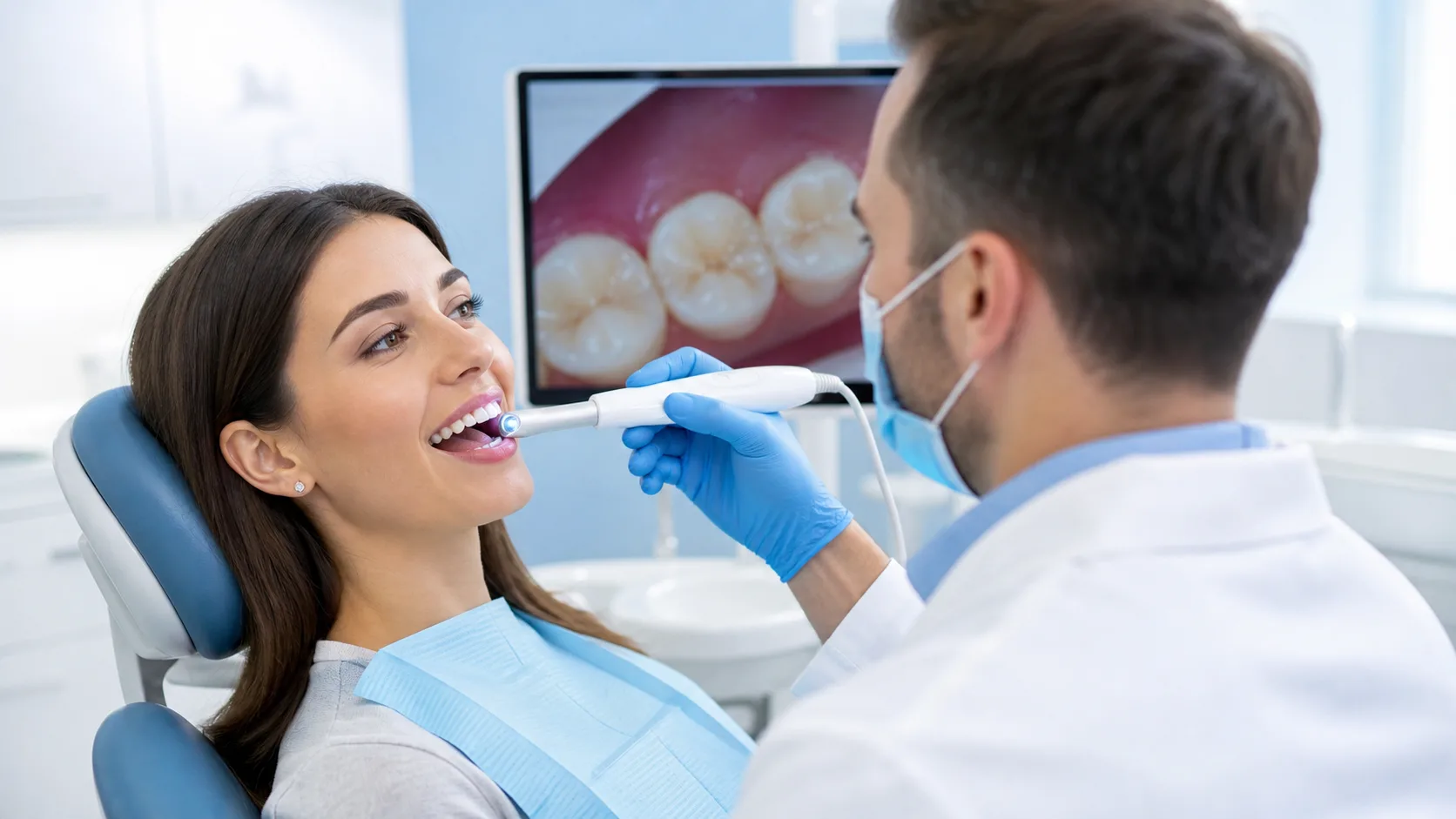
- Use detailed photos, bite checks and digital scans to map wear patterns
- Talk through your sleep quality, stress levels, headaches and lifestyle
This helps us understand not only what damage has happened, but also what might be driving it.
From there, we can suggest gentle, modern ways to protect your bite, such as:
- Custom night splints or bite guards made to fit your teeth that cushion your bite
- Small adjustments to high spots on teeth or restorations to balance your bite
- Simple jaw exercises, breathing and posture tips, plus referrals to other practitioners where useful
Many people find that acting in early spring works well, as there is time to settle symptoms before the end‑of‑year rush. It is also a good window to get used to any nighttime appliances before travel or social plans pick up.
Take Pressure Off Your Jaw Before the Year Pressures You
If you are wondering whether your jaw clenching is building up, a few simple self‑checks can help you notice patterns:
- Check during the day if your teeth are touching, then practise resting with lips closed and teeth slightly apart
- Gently press around your jaw joints, cheeks and temples to see if there is hidden tenderness
- Keep a short “jaw diary” for a few days, noting morning symptoms, headaches and stressful triggers
It is worth seeking a professional opinion if you notice recurring morning headaches, jaw tightness, signs of tooth wear or chipped fillings. Waiting until you are in severe pain or until a tooth breaks often means treatments will be more complex and take more time.
For people who live, work or study in the Brisbane CBD, having a clinic close by makes it easier to fit care into a busy week. Taking the step to get your jaw assessed is not about being fussy, it is about protecting your bite, your smile and your comfort so you can face busy seasons without your teeth carrying all the stress.
Ease Jaw Tension And Protect Your Smile Today
If you are struggling with ongoing jaw clenching, we can help you uncover the cause and find relief before it leads to bigger dental issues. At Bite Dental Studios, we take the time to understand your symptoms and tailor treatment to your lifestyle and long-term oral health. Reach out to our team to discuss your concerns or book an appointment via our contact page so you can start feeling more comfortable, day and night.